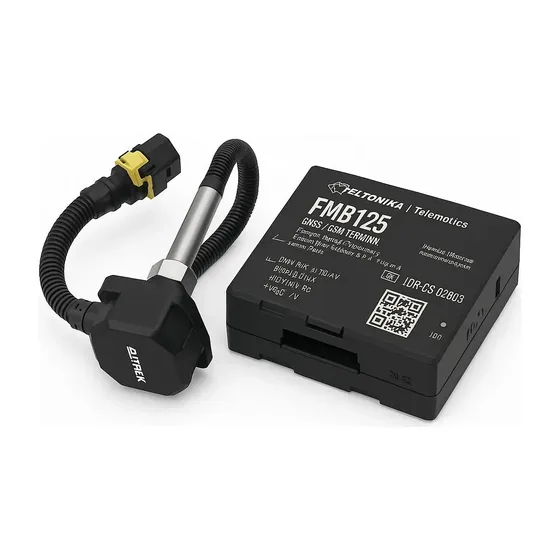
A fuel level sensor sees refuelling and theft; a fuel flow sensor measures what the engine burns. The difference and when you need both.
A fuel level sensor shows how much fuel is in the tank, so it sees refuelling and fuel theft. A fuel flow sensor sits in the fuel line and measures how much fuel the engine actually burns. The first answers “where did the fuel in the tank go”, the second answers “how much did the engine use”. Trucks, tractors and heavy machinery often have both.
Below: how each sensor works, when to choose which and when you need both.
How a fuel level sensor works
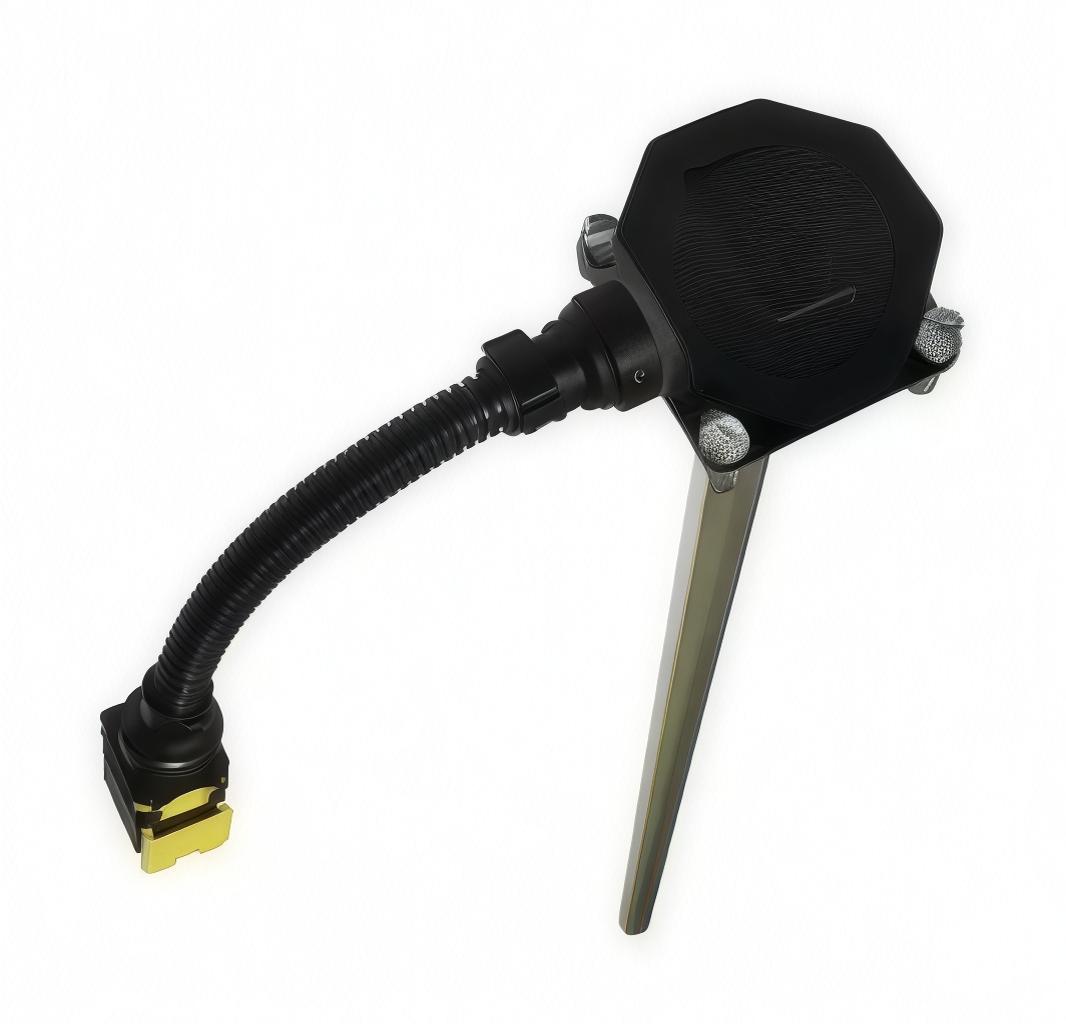
A fuel level sensor is a probe installed into the tank from the top. The most common type is capacitive: the probe’s electrical capacitance changes depending on how deep it sits in fuel. The tracker reads the value, and the tracking platform converts it into litres using a calibration table. That table is built during installation by filling the tank in measured portions.
Probes come in different lengths for different tanks, for example the BI FLSensor 700 for a light truck tank, or longer models for tractor units and combines. All options are in the fuel level sensors section.
Fuel sloshes around on bumps and bends, so the platform smooths the readings. It detects theft and refuelling by a sharp change in level while the vehicle is parked.
How a fuel flow sensor works
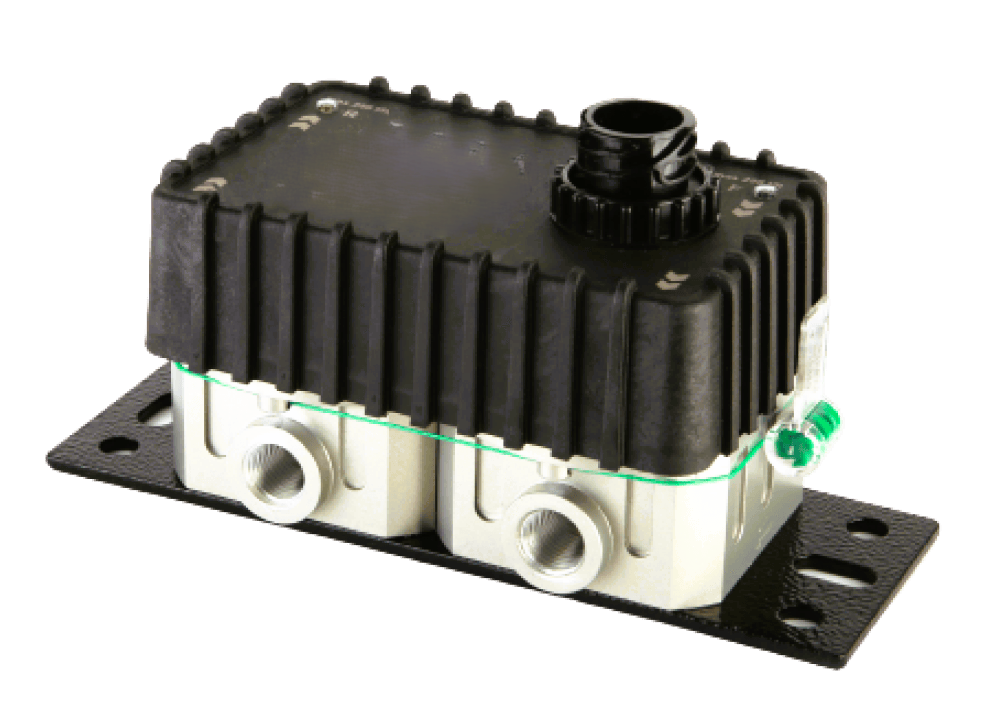
A fuel flow sensor (flow meter) is fitted into the fuel line between the tank and the engine. It measures the volume of fuel passing through it, which is the engine’s actual consumption.
Many diesels have a return line that sends part of the fuel back to the tank. These engines need a differential sensor or two sensors, on the supply and return lines, otherwise the figures will be too high. That is why fitting a flow sensor is more complex and involves the fuel system.
Fuel level sensor vs fuel flow sensor: comparison
| Feature | Fuel level sensor | Fuel flow sensor |
|---|---|---|
| Measures | Fuel volume in the tank | Fuel consumed by the engine |
| Fuel theft from the tank | Detects it | Does not see it |
| Refuelling | Records time and volume | Does not record |
| Consumption accuracy | Indirect, from level change | Direct, from flow in the line |
| Installation | In the tank, no changes to the engine fuel system | Cut into the fuel line |
| Cost and complexity | Lower | Higher |
| Weak spot | Affected by sloshing, needs calibration | Blind to what happens in the tank |
When you need a fuel level sensor
- You want to see where fuel disappears: siphoning from the tank, short fills at the pump, unscheduled refuelling.
- Vehicles with large tanks: tractor units, tippers, combines, excavators.
- You want simple fuel control without touching the engine fuel system.
Example: overnight on a building site, a tipper’s tank level drops by 40 litres with the engine off. The fuel level sensor shows the drop, the time and the place, and you get an alert.
When you need a fuel flow sensor
- You need exact engine consumption: per engine hour, per trip, per hectare.
- You set norms for stationary equipment such as generators, compressors and pumps.
- You need to separate consumption on the move from idling, for example for machinery that works in one place for hours.
When to combine both sensors
You get the full picture when both sensors work together. The level sensor shows how much was filled, how much is left and whether any was stolen. The flow sensor shows how much of it the engine really burned. If the tank level fell more than the engine consumed, the difference is theft or a leak.
The combination pays off especially:
- on high-consumption machinery where every percent shows up in money;
- in companies that want to stop fuel theft for good;
- in agriculture and construction, where machines work in one place for long periods.
A word on the CAN bus. On many modern vehicles, fuel level and consumption can be read from the factory electronics through a CAN bus reader without separate sensors. But the factory tank sender is usually less accurate, so a dedicated fuel level sensor is still often fitted to fight theft. More options on the fleet fuel monitoring page.
FAQ
Can a fuel flow sensor detect fuel theft?
No, a fuel flow sensor only sees what passes through the fuel line to the engine. If fuel is siphoned straight from the tank through the filler neck or drain plug, it will not notice. To detect theft you need a fuel level sensor in the tank or fuel data from the CAN bus.
Does a fuel level sensor need calibration?
Yes, without calibration a fuel level sensor shows only raw units, not litres. During installation the tank is filled in measured portions and the readings are recorded to build a table. Each tank is calibrated separately, because even tanks of the same volume have different shapes.
Which sensor is better for a tractor or combine?
Most farms should start with a fuel level sensor, because it shows refuelling and theft, which are the main losses. If you need exact consumption per hectare or engine hour, add a fuel flow sensor. For more, see our page on GPS tracking for farm machinery.
Can I get alerts about fuel theft?
Yes, a tracking platform such as Wialon or Navi.zone sends an alert when the tank level drops sharply while the vehicle is parked. The alert arrives by e-mail, in the app or in a messenger, depending on your settings. It shows the vehicle, time, place and approximate volume.
Read also: How to check a fuel level sensor: a complete guide
GPSka · turnkey fleet tracking
See every refuelling and fuel drain in each tank
Tracker, SIM card, setup and dashboard. Navi.zone from $9.90 per vehicle per year, Wialon from 195 UAH per month.