The second camera records the cabin or the rear view. Who needs it, how to pick a model and what Ukrainian law says about recording passengers.
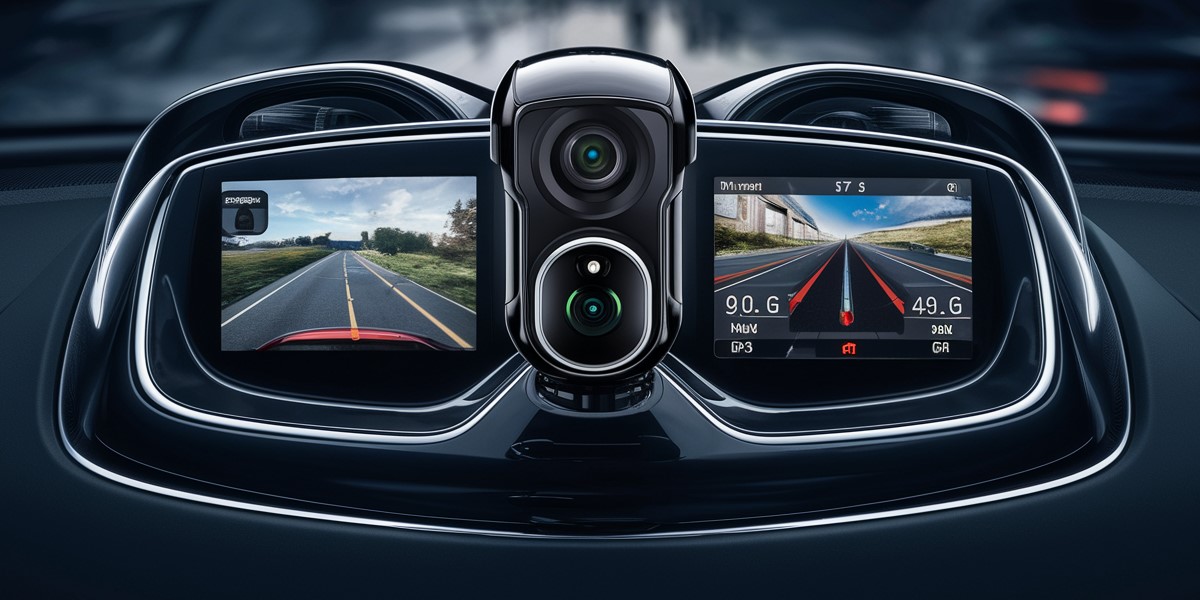
A dual dash cam records the road ahead and, at the same time, the cabin or the view behind the car. You need one when it matters to prove not only what happened on the road but also what happened inside the vehicle: for a taxi driver, a delivery driver or the owner of a company car. Choose a model with at least Full HD on both cameras, night mode, an impact sensor and loop recording.
What is a dual dash cam
A regular dash cam is a camera on the windshield that records video, and often sound, all the time. Footage goes to a memory card, and when the card is full the oldest files are overwritten.
In a dual-camera model the second camera faces the cabin or the rear. It is either built into the main unit or comes as a separate module on a cable, mounted on the rear window, for example.
Types of dash cams
- Single-camerarecords the road ahead only.
- Dual-camerathe road plus the cabin or the rear view.
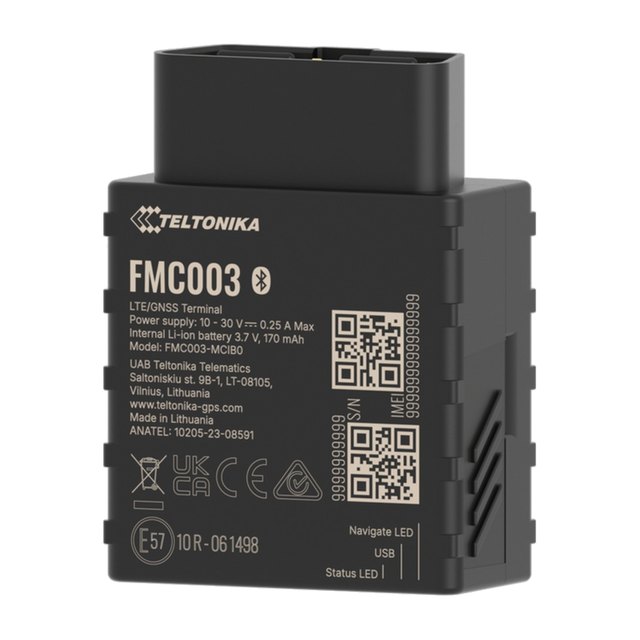
- Telematics cameraswork together with a GPS tracker: video is tied to location, speed and time, and you can pull the clip you need remotely.
Why you need a second camera
The front camera captures crashes, cut-offs and red-light runners. In a dispute, though, people often ask something else: was the driver wearing a seatbelt, were they holding a phone, what did the passenger do. That is where cabin footage helps.
A rear camera pays off when someone hits you from behind at a traffic light or in a car park. Without it you are left looking for witnesses.
Who really needs one
- Taxi driversa passenger complaint without evidence falls apart when there is cabin video.
- Fleet ownersa delivery van is in a crash, the driver says one thing, the other party says another. Footage from two cameras settles it.
- Families with a new driverreview a trip and the mistakes together, as long as the driver knows about the recording and agrees.
- People who drive a lotthe road and the cabin in one device, no extra camera needed.
How to choose a dual dash cam
- Resolution. At least Full HD (1080p) on both cameras. If the rear one records only 720p, you will probably not read the number plate behind you.
- Field of view. Aim for 120° or wider so neighbouring lanes and the roadside are in frame.
- Night recording. The cabin camera needs infrared illumination, otherwise night footage is just darkness.
- Impact sensor (G-sensor). Locks the file against overwriting when you hit something or brake hard.
- Storage. Check the largest memory card the device supports. Two cameras fill it roughly twice as fast.
- Mount and power. The mount should hold the camera steady even on cobblestones. Parking mode needs a permanent power supply, not just the cigarette lighter socket.
- Tracker integration. For a business it helps when video is linked to the route in the fleet tracking system.
Regular or telematics: comparison
| Feature | Single-camera | Dual-camera | Telematics with tracker |
|---|---|---|---|
| What it records | Road ahead | Road and cabin or rear view | Road, cabin, extra cameras, depending on the model |
| Where video is stored | Memory card | Memory card | Memory card plus remote clip download |
| Linked to the route | No, or built-in GPS | No, or built-in GPS | Yes, in the tracking system |
| Best for | Private drivers | Taxi drivers, car owners | Fleets, hauliers |
Is it legal to record the cabin and audio
Recording the road from your own car is fine. The cabin is a different matter, because other people end up in the frame.
- Tell passengers, with a sticker or verbally, that video and audio are being recorded in the car.
- If your employee drives the vehicle, inform them in writing that it has cameras and what the footage is used for.
- Do not publish video showing passengers’ faces without their consent.
Covertly recording conversations or tracking people without their consent is illegal in Ukraine (Articles 163, 182 and 359 of the Criminal Code). Use cameras only in your own vehicle or with the written consent of the people you record.
Where to mount it so it does not get in the way
The best spot for the main unit is behind the rear-view mirror: it does not block your view and sees the road from the centre. Route the cable under the pillar and headliner trim rather than across the cabin. The rear camera goes at the top of the rear window, inside the wiper area if there is a wiper.
If you are fitting cameras to several vehicles or connecting them to a tracker, leave it to professionals. You can book a fitting on our GPS equipment installation page.
Dash cams for fleets: Teltonika cameras
For a business, cameras that work with a GPS tracker are more practical. For example, Teltonika DashCam records the front view, while the Teltonika DualCam dash cam records the road and the cabin at once. Other cameras and driver assistance systems are in our video telematics section.
FAQ
Can I power a dual dash cam from the cigarette lighter?
Yes, most models run from the cigarette lighter socket, but then recording stops when you switch off the ignition. For parking mode the camera is wired to permanent power through a module that protects the battery from draining. Have an auto electrician do it so the factory wiring is not damaged.
How much storage do two cameras need?
For daily driving a 64–128 GB card is usually enough, but the exact size depends on resolution and recording settings. Two cameras fill a card roughly twice as fast as one. Buy high-endurance cards designed for constant overwriting, as they cope better with the heat inside a parked car.
Will dash cam footage be accepted as evidence?
Footage can serve as evidence in a road accident case if it was obtained legally and has not been edited. Keep the original file untouched, make a copy right after the incident and check that the date and time are correct. The police, the insurer or the court make the final call.
How is a telematics camera different from a regular dash cam?
A telematics camera works with a GPS tracker and sends data to the fleet tracking system. The dispatcher sees the event on the map and can download the video remotely without waiting for the driver to return to base. A regular dash cam keeps everything only on the memory card inside the vehicle.
Read also: what to know about GPS system installation
GPSka · turnkey fleet tracking
Road and cabin video in your tracking dashboard
Tracker, SIM card, setup and dashboard. Navi.zone from $9.90 per vehicle per year, Wialon from 195 UAH per month.