What GPS tracking gives tractors and combines: hectares, engine hours, fuel and theft protection, plus the hardware you need.
Farm equipment GPS tracking shows where every tractor and combine is working, how many hectares have been covered, how many engine hours have been logged and where the fuel went. You fit a GPS tracker to each machine and, where needed, a fuel level sensor and a CAN bus reader. The data goes to Wialon or Navi.zone, where the agronomist and the owner see reports without phoning the operators.
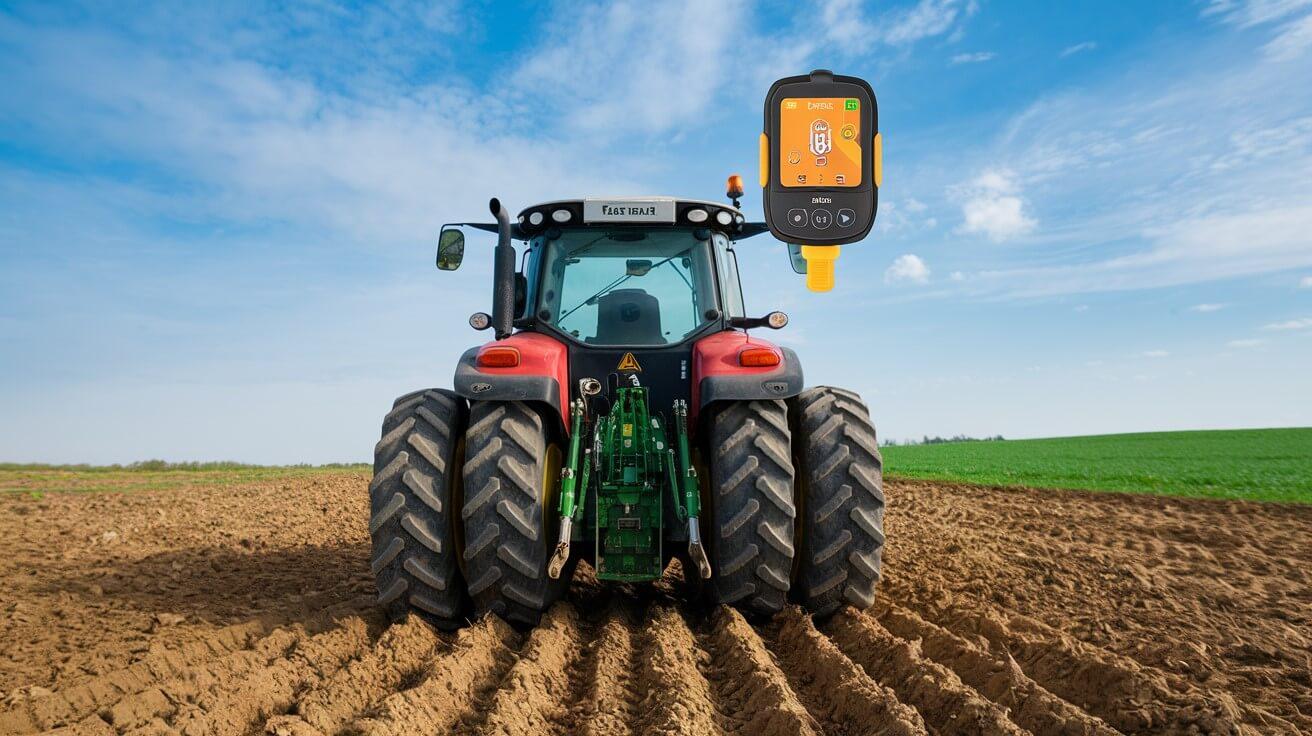
What farm equipment GPS tracking gives you
Where each machine is and what it is doing
Every machine is on the map: a tractor discing field 5, a combine on its way to the grain yard, a van with seed on the highway. Instead of morning calls asking "where are you?", the agronomist opens the dashboard and sees everything at once.
Area covered, without overlaps
The system calculates hectares from the track and the implement's working width. The report shows how much was done per shift, where gaps were left and where a machine went over the same strip twice. That helps you check operators' reports and share out work better.
Engine hours and idling
The tracker records when the engine ran, when the machine was moving and when it stood still with the engine on. With this data it is easier to schedule servicing by engine hours and to find out why sowing fell behind.
Fuel
A fuel level sensor in the tank shows refuels, consumption and drains with exact time and place. This is usually where farms see results fastest, because fuel is one of their largest costs. See how it works on our fleet fuel monitoring page.
A work history for every field
For each field you can see which machines worked there, when and for how long. It is easy to match this against operators' job sheets and cost records. At the end of the season you have a full field-by-field history rather than just the agronomist's notebook, and you can show it to the owner or the landlord.
Protection against theft and off-the-books work
Set geofences around the fields and the yard. If a tractor leaves at night or starts on a day off, you get an alert. That shows up both theft and work on someone else's field for cash.
What equipment you need for tractor GPS tracking
| What you control | Equipment | What the report shows |
|---|---|---|
| Location, routes | GPS tracker | Map, tracks, mileage |
| Area covered | GPS tracker plus implement set up in the system | Hectares, gaps, overlaps |
| Engine hours | GPS tracker (via ignition) or CAN reader | Hours worked, idling |
| Fuel level | Fuel level sensor | Refuels, drains, consumption |
| Engine data | CAN bus reader | Consumption from the on-board computer, RPM |
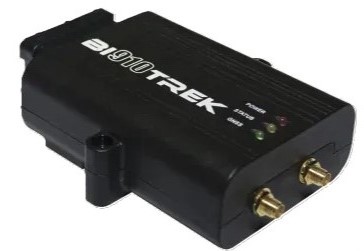
For older machines without electronics, a tracker and a fuel sensor are enough. On modern tractors and combines you add a CAN bus reader to take data straight from the on-board computer without drilling into the tank. Models built to handle vibration and dust are in our tractor GPS trackers section.
How to roll out GPS tracking on a farm
- List your machines. Tractors, combines, sprayers, trucks, year of manufacture, and whether they have a CAN bus. That decides the kit.
- Fit the equipment before the season. Installation and tank calibration are best done in winter or early spring while machines are in the yard.
- Set up the system. Add field boundaries, implement widths, yard geofences and fuel norms.
- Train your people. Show the agronomist and the mechanic where the reports are, and tell operators exactly what the system monitors.
Choose the software to fit the job. Wialon Hosting is flexible for large fleets and complex reports; the fee is 195 UAH per month or 899 UAH for 6 months. Navi.zone is quicker to start with: the Base plan is from $9.90 per vehicle per year.
FAQ
Can I fit a tracker to an old tractor without a CAN bus?
Yes, the tracker runs on the vehicle's power and works on any machine, even an old MTZ or YuMZ tractor. Engine hours are counted from the ignition signal, and a separate fuel level sensor in the tank monitors fuel. Without CAN you only miss on-board computer data such as engine RPM.
How does the system calculate the area covered?
Area is calculated from the machine's track and the implement's working width, which you set in the system for each implement. Accuracy depends on GPS signal quality, how often points are logged and correct settings. That is usually enough for reporting and checking operators, but precision farming needs separate guidance systems.
What happens if there is no mobile coverage in the field?
The tracker stores all points and events in its memory and sends them as soon as the machine is back in coverage. You still get the full track and report, just with a delay. If some fields have poor signal all the time, pick a SIM card from the operator with the strongest local coverage.
How long does installation take?
It depends on the kit and the condition of the machine. A tracker goes in quickly, while a fuel level sensor needs a hole in the tank and calibration, so it takes longer. To avoid disrupting fieldwork, plan installation for when machines are in the yard and book it in advance rather than mid-season.
Read also: How to check a fuel level sensor: a complete guide
GPSka · turnkey fleet tracking
Hectares, fuel and engine hours of your machinery
Tracker, SIM card, setup and dashboard. Navi.zone from $9.90 per vehicle per year, Wialon from 195 UAH per month.